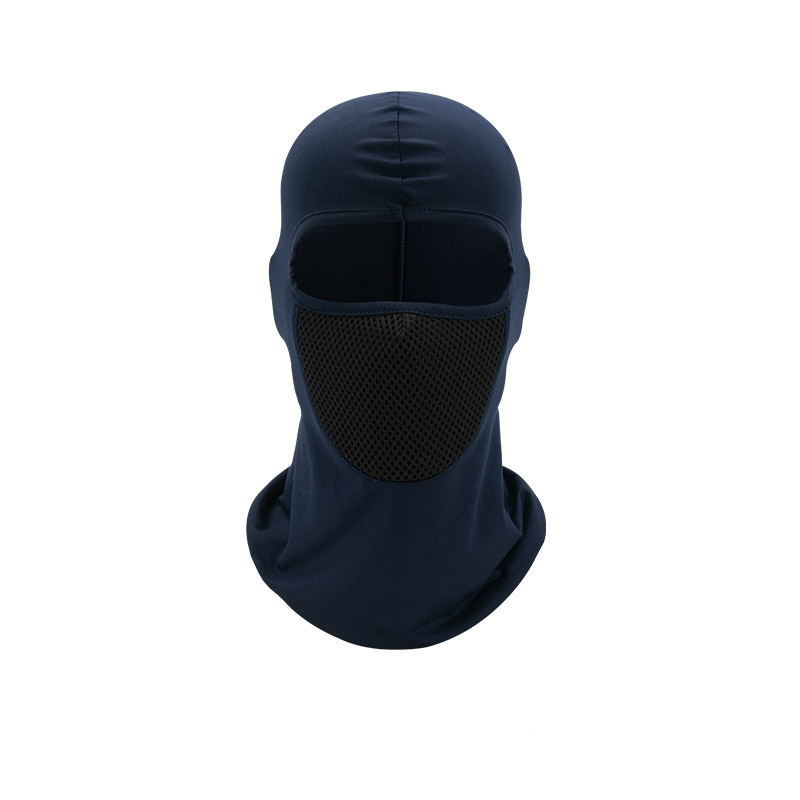
We all want a hat that keeps us warm when winter hits. You see lots of beanies online. They all promise thick knitting and soft fleece. But not all winter hats are the same. Many cheap options fail exactly when you need them most.
I wasted money on bad gear. I learned to look past the marketing words. Here is the truth about the essential piece of cold-weather gear: the 2 in 1 Mask Beanie Full Face Cover. These myths stop you from buying the best hat.
This is the biggest lie sellers tell you. You look for a womens warm knitted beanie with fleece. You see the word "fleece" and think, "Great, warmth secured."
The Reality: Not all fleece is created equal. Cheap beanies use thin, synthetic fleece. It feels soft in the store. But thin fleece provides very little barrier against wind and severe cold. It will pill and flatten quickly after washing. This leaves your head cold and unprotected.
When you buy a regular beanie, fit is simple. It covers your head. But the 2 in 1 Mask Beanie is a full face cover. It has to fit your face and your head perfectly.
The Reality: If the mask part is too loose, wind gets in. If the mask part is too tight, it pulls the hat off your head. The Wholecustomdesign product is advertised as "Elastic." This elasticity must be durable. It needs to stretch to fit a variety of head sizes but also snap back. If it doesn't snap back, you lose crucial ear and face wind protection.
You need to check for:
Most shoppers look at the color and the cute pattern. They think all knitted hats block the wind. They don't.
The Reality: If you can see light easily through the knit when you hold it up, it will fail you. Wind cuts straight through loose knitting. The fleece lining helps, but the outer shell needs to be a first defense.
Good quality, high-density knitting is heavy. It uses more yarn. This is where the price difference comes in. Cheaper options skimp on yarn weight. A heavier, denser knit means better: