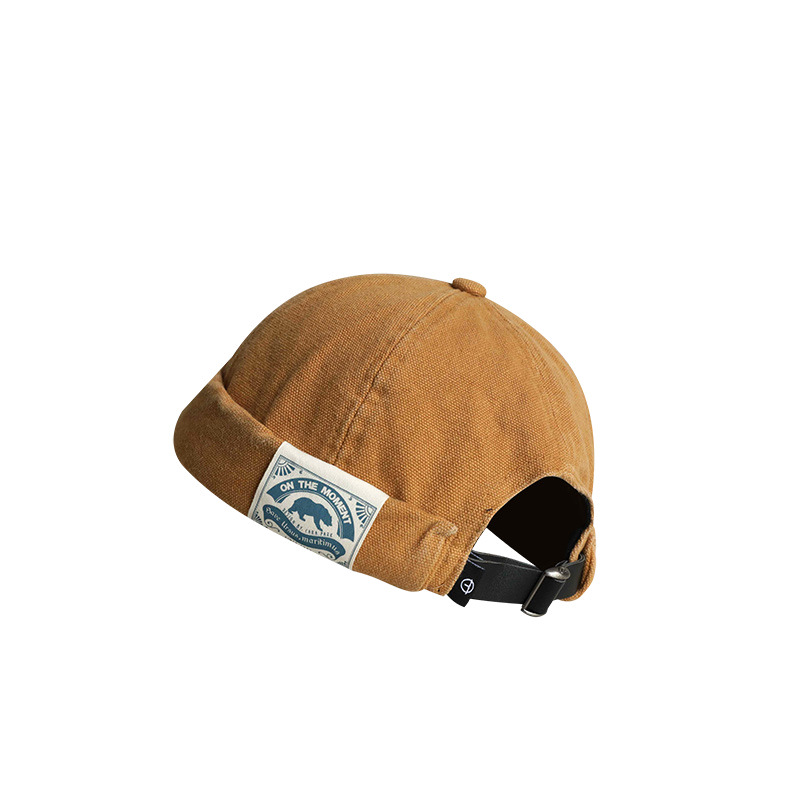
As a runner, especially during the colder months, finding the right gear is crucial for staying comfortable and performing my best. One of the most important pieces of equipment is a good running beanie. I've tried countless options over the years, and I've learned a lot about what works and what doesn't. This guide shares my experiences, helping you choose the perfect beanie for your needs. Getting the right running beanie can make all the difference on a cold morning run.
Living in a place with unpredictable weather, I've struggled to find a beanie that keeps me warm without causing me to overheat. I remember one particularly chilly morning when I decided to push through a long run despite the freezing temperatures. I wore a thick, wool hat, thinking it would do the trick. By mile three, I was sweating profusely, and the hat felt like a heavy, itchy burden. I had to stop and take it off, which left me shivering and uncomfortable for the rest of the run. That's when I realized the importance of breathability and finding the right balance between warmth and ventilation.
I started experimenting with different materials and styles. I tried a few beanies that were supposedly designed for running, but they either didn't provide enough warmth or were too bulky and kept sliding off my head. The search became quite frustrating, but I was determined to find the perfect running beanie that would keep me comfortable no matter the weather.
Through trial and error, I've discovered a few options that have become my go-to choices for different running conditions. Here are some of my favorites:
Living in the mountains, I also learned that sometimes a full-on beanie is just too warm. A headband or a lighter option is often a better choice for maintaining a comfortable temperature during my runs.
Recently, I've been experimenting with different beanie styles, and I stumbled upon something interesting. I found this Fashion Vintage Beanie Hat. At first, I was skeptical because it's not specifically marketed as a running beanie. However, I was drawn to its lightweight design and breathable material. I decided to give it a try, and I was pleasantly surprised. It provided just the right amount of warmth without causing me to overheat, and it stayed in place throughout my run. It's now one of my go-to options for milder weather conditions. The breathable material of this beanie is a major plus.
I also considered the weight of the beanie. I tried a Smartwool 250 beanie once, and it was just too heavy for running in Georgia, where I live. The Smartwool 150 might be a better option for milder climates. It's all about finding the right balance between warmth and weight.
Choosing the right running beanie can seem overwhelming, but here are some practical tips that I've learned along the way: