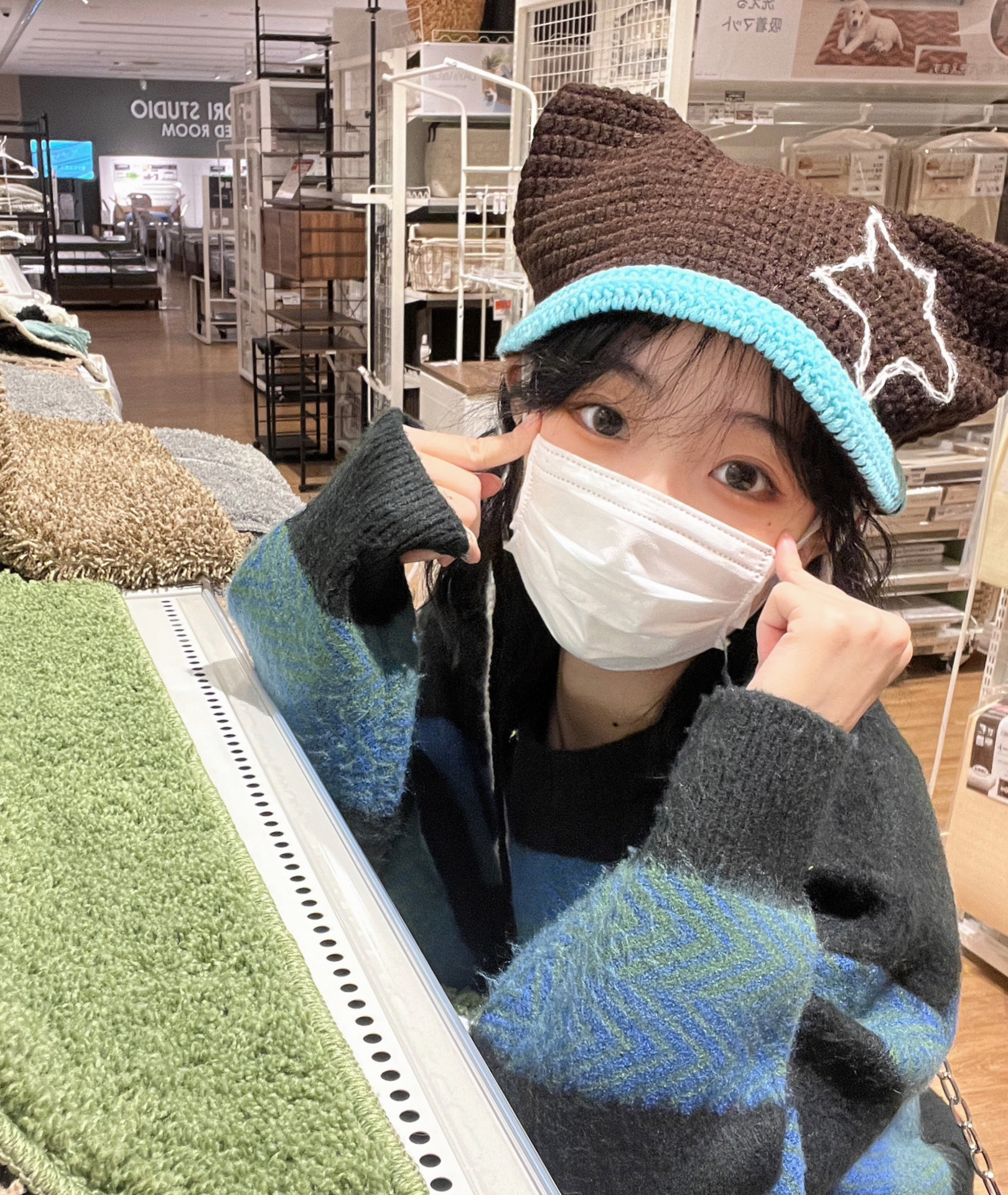
Thinking about picking up a new beanie? Here, I’ll answer the questions I wish I’d known before buying the Brand Autumn Women's Beanie Hats—a casual, cotton, plain double-layer slouchy beanie, also marketed for men as a fashion knitted skull cap, in dark grey and one size—from Wholecustomdesign.
In short: They seem to be. Here’s the reasoning: These beanies feature a double-layer construction, which typically enhances longevity compared to single-layer versions. The extra layer adds sturdiness, reducing the likelihood of stretching or developing holes too quickly. Pay attention to the knitting—tight, even stitches are a hallmark of good craftsmanship and better resistance to everyday wear.
Material plays a key role in durability, too. While cotton is generally robust, its specific treatment and knit quality make a significant difference. It’s worth checking customer feedback to see how well the beanie holds up after multiple washes—a reliable indicator of lasting quality. Additionally, darker shades like this dark grey tend to conceal minor signs of wear better than lighter colors.
Verdict: A double-layer cotton beanie in dark grey should offer reasonable durability. For peace of mind, review customer experiences before purchasing.
In short: Generally, yes. Here’s why: Cotton is prized for its softness and breathability, making it an excellent choice for extended wear. A double-layer design may feel warmer than a single-layer one, which is a bonus in colder climates but worth noting if you tend to overheat.
The “slouchy” fit typically means a relaxed, non-constricting feel, enhancing overall comfort. Look for good stretch in the fabric, allowing the beanie to adapt to your head shape without feeling too tight. For anyone seeking a Wholecustomdesign discount, a comfortable and stylish option like this could be appealing.
Verdict: The cotton material and slouchy cut point to solid comfort, though personal warmth and fit preferences should guide your choice.
In short: It depends. Here’s the breakdown: Value is always relative to cost. Extremely low-priced beanies (under $10, for instance) often compromise on quality, using thin fabric or poor stitching that leads to quick wear. A mid-range price (around $15–$30) usually reflects a better balance of quality and affordability.
Consider cost per wear: if you’ll use the beanie frequently, a slightly higher initial investment may pay off in longevity. Easy care—like machine washability without special instructions—also adds practical value.
Verdict: Compare the price to similar products and read reviews to gauge whether the quality matches the cost.
In short: Potentially good, but research is key. Here’s what to look for: Cotton quality can vary; terms like “premium cotton” or “long-staple cotton” often signal a softer, more durable fabric. Examine the stitching—straight, even seams without loose threads indicate careful manufacturing.
Double-layer construction generally boosts quality by adding warmth and resilience. Check customer comments on pilling (those small fabric balls that form after washing); a well-made cotton beanie shouldn’t pill excessively.
Verdict: Scrutinize the product description for details on materials and construction, and rely on customer reviews and photos to judge real-world quality.